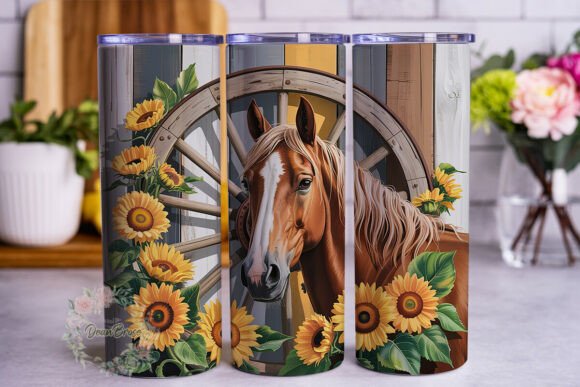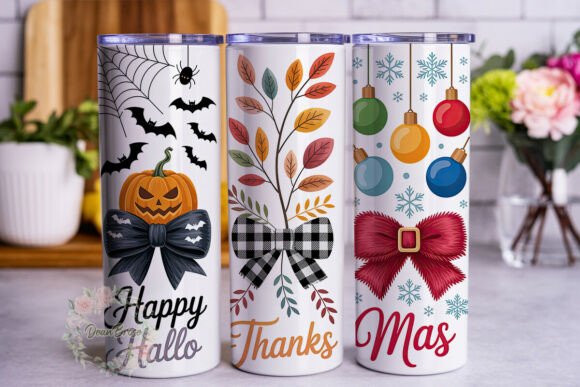
Review: Seasonal Holiday Wrap 20oz Skinny Tumble Design
As a designer who spends more time staring at stitch maps than most people spend on their phones, I approach every new digital embroidery file with a mix of excitement and skepticism. We've all been there: you buy a stunning graphic, convert it, and realize the density is so high it turns your fabric into cardboard, or the details are so fine they vanish under the needle. Today, I'm taking a close look at the Seasonal Holiday Wrap 20oz Skinny Tumble. While this asset is marketed primarily within the Tumbler Wraps category as a high-resolution PNG for sublimation or printing, my interest lies in its potential adaptation for physical textile applications. Can a design meant for a curved, hard surface translate effectively into a machine embroidery design for soft goods? Let's dig into the practical reality of using this artwork for real-world projects.
First Impressions: Mood and Layout Potential
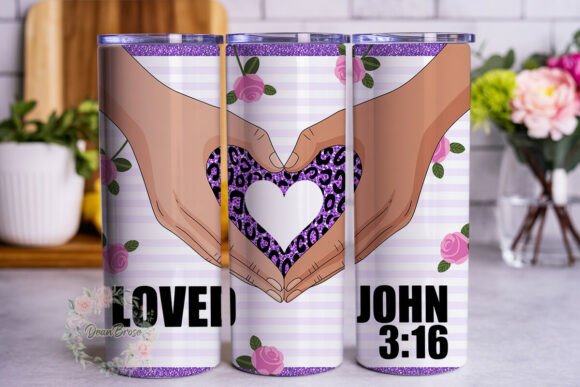
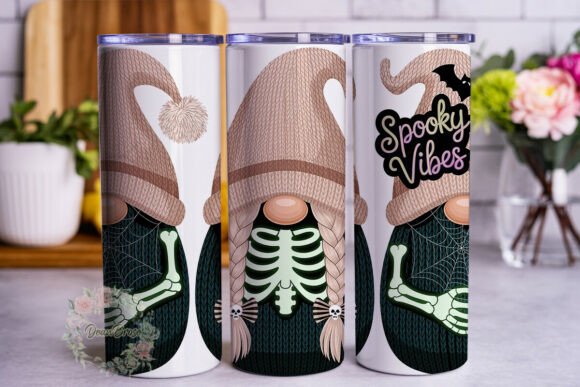
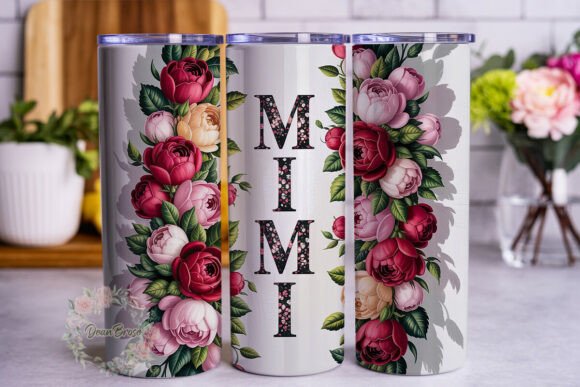
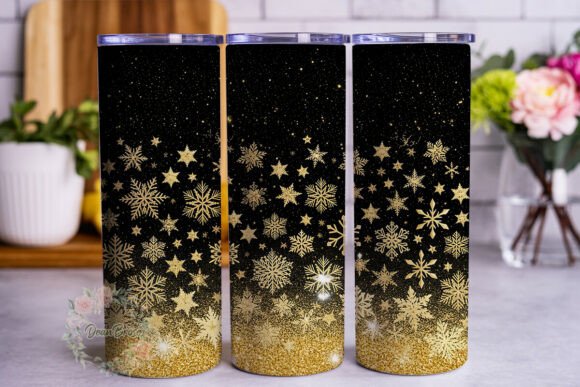
Upon opening the files, the first thing that strikes me is the clarity. The product description notes a resolution of 300 DPI with dimensions of 9.3″ x 8.2″. For a designer, this is a solid starting point. The layout is clearly optimized for the specific curvature of a 20oz skinny tumbler, meaning the composition likely features a central focal point with flowing elements that wrap naturally around a cylinder. When I visualize this transferred from a digital screen to a handmade product, the mood feels festive yet sophisticated. It avoids the cluttered, cartoonish vibe that plagues many holiday graphics, opting instead for a cleaner aesthetic that suggests quality.
The visual personality of the Seasonal Holiday Wrap 20oz Skinny Tumble leans towards versatility. It doesn't scream "novelty item" so loudly that it can't be used on something meant to last. This is crucial for us as Etsy sellers and craft business owners. We need designs that elevate the perceived value of our finished product, not diminish it. The spacing of the elements suggests that if digitized correctly, this could work beautifully as a large back-piece on a jacket or a centered chest logo on a heavy hoodie.
Real-World Application Scenarios
Let's move beyond theory and talk about where this actually fits in a production workflow. I recently had a client request a coordinated set of holiday gifts for their boutique staff. They wanted something cohesive but not uniform. My immediate thought was to adapt the Seasonal Holiday Wrap 20oz Skinny Tumble graphic for a series of tote bag designs and sweatshirt embroidery projects. Because the original art is designed to wrap, it has a natural flow that looks dynamic even when flattened onto a tote bag canvas.
Imagine this design stitched onto a cream-colored canvas tote. The holiday motifs, when rendered in satin stitch for the outlines and fill stitch for the larger shapes, would create a textured, premium look that a printed vinyl decal simply cannot match. Alternatively, consider a personalized gift scenario: a baby blanket or a nursery pillow cover. The soft curves of the design elements mimic the gentle nature of baby items. However, this requires careful consideration of the stitch density. If the original graphic has intricate, tiny details, those need to be simplified during the digitizing process to ensure they don't become a tangled mess of thread on a fluffy minky fabric.
For commercial embroidery projects, consistency is key. If you are producing a run of aprons for a holiday market, this design offers enough visual weight to stand out on a dark fabric without needing excessive underlay, provided the contrast is managed well. It also works exceptionally well for embroidered patches. By isolating the central motif of the wrap, you can create a collectible patch that customers can iron onto jackets or hats, extending the life of the design beyond a single garment.
Technical Considerations and Fabric Challenges
Here is where experience matters. Just because a PNG looks crisp on your monitor doesn't mean it will stitch out perfectly on a textured twill cap or a stretchy jersey knit. The Seasonal Holiday Wrap 20oz Skinny Tumble includes detailed areas that demand attention. If you are planning to use this on dark fabric, you must ensure your digitizer accounts for sufficient underlay to prevent the background fabric from peeking through the stitches. Conversely, on thin fabric like a lightweight tee, a dense fill could cause puckering or make the garment stiff and uncomfortable.
Curved surfaces present another hurdle. While the design is native to a tumbler's curve, applying it to a baseball cap requires a different approach. The distortion inherent in cap framing means straight lines might bow and circular elements can look oval. I recommend testing this design on scrap fabric that matches your final product's texture. Check the hoop size requirements carefully; at nearly 9 inches wide, you will need a large hoop or a multi-position setup, which increases the risk of alignment errors if you aren't experienced.
Small details are the enemy of durability. If the design includes fine lettering or tiny decorative accents, ask yourself: will these survive fifty washes? In holiday embroidery, we often get caught up in the festivity and forget longevity. For items like kitchen towels or aprons that see frequent use, you may need to thicken running stitches or consolidate small islands of color to ensure the custom apparel remains intact over time.
Enhancing Brand Value and Customer Trust
In the world of small shop products, presentation is everything. Using a high-quality base graphic like the Seasonal Holiday Wrap 20oz Skinny Tumble allows you to maintain brand consistency. When a customer receives a package with a beautifully embroidered item, the stitching clarity speaks volumes about your professionalism. It builds trust. A sloppy, pixelated, or poorly stitched design tells the customer you cut corners. A clean, well-executed design tells them you care about quality.
This design also shines in printable mockup creation for your online listings. Before you even stitch a single thread, you can place the PNG onto mockups of sweatshirts, pillows, or bags to gauge customer reaction. This helps you validate the design assets before committing to inventory. For creative entrepreneurs, this pre-visualization step is invaluable for determining which colorways of thread will pop best against specific fabric backgrounds.
Practical Notes for the Smart Designer
Before you commit to a full production run, here is my checklist for working with this type of graphic:
- Test on Scraps: Always stitch a sample on the exact fabric you intend to sell. What looks good on cotton might disaster on fleece.
- Check Thread Contrast: Ensure your chosen thread colors provide enough contrast against the fabric, especially for detailed sections.
- Review Density: If you are digitizing this yourself, keep the stitch count reasonable to avoid fabric distortion.
- Verify Licensing: The product notes state the files do not include watermarks, but always confirm the license terms regarding commercial use for both physical and digital sales.
- Stabilizer Selection: Match your stabilizer to the fabric weight. Heavy designs on light fabrics need robust support.
- Mockup Testing: View the design in black and white to check for value contrast independent of color.
The Seasonal Holiday Wrap 20oz Skinny Tumble is a versatile asset that, with the right technical handling, can transcend its original purpose as a tumbler graphic. Whether you are creating a baby embroidery piece, a high-end boutique jacket, or a set of holiday decor, the potential is there. It just requires the eye of an experienced maker to unlock it. Remember, the file is only as good as the execution. Take the time to plan your stitches, respect the fabric, and you'll end up with a finished product that your customers will cherish for seasons to come.