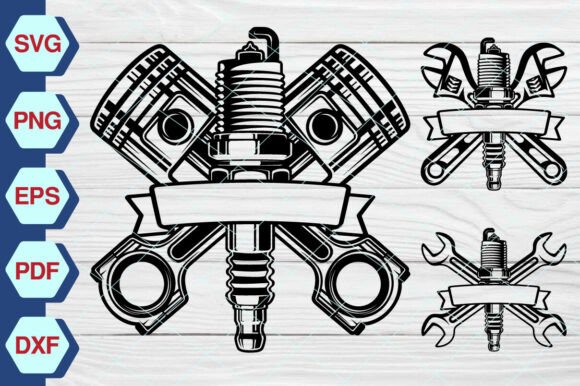
Mechanic Tools, Repair Tools SVG EP338 Review
As a designer who spends more time at the hoop than anywhere else, I approach every new digital embroidery file with a mix of excitement and skepticism. We have all been there: you download a beautiful graphic, load it into your software, and realize the stitch path is a nightmare or the details are too fine for anything but a massive hoop. That is why I took a close look at Mechanic Tools, Repair Tools SVG EP338 before committing it to a client project. This isn't just about whether the image looks cute on a screen; it is about how it translates into thread, how it holds up on textured fabric, and whether it adds real value to a handmade product.
First Impressions: A Rugged Aesthetic for Modern Makers
When I first opened the files included in this INSTANT DOWNLOAD package, the immediate takeaway was the versatility of the format. Receiving an SVG, PNG, EPS, PDF, and DXF means this asset bridges the gap between digital crafting and traditional machine work. For those of us running a craft business, having these multiple formats is crucial. The SVG is perfect for cutting machines if you want to create an applique design layer, while the high-resolution PNG works beautifully for printable mockups to show clients before you even stitch a single thread.
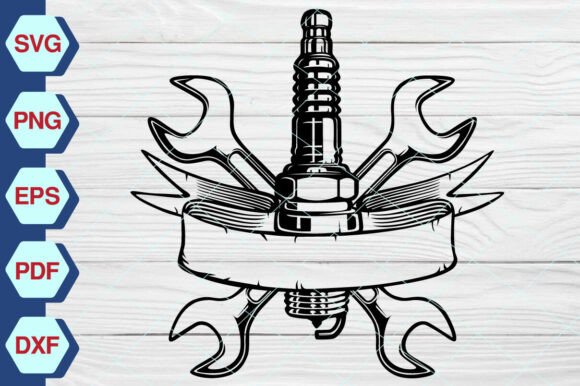
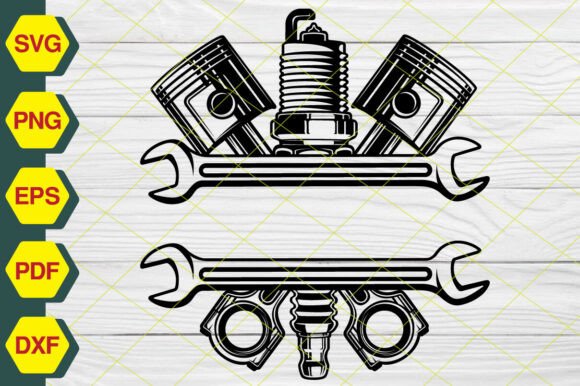
Visually, the theme strikes a balance between industrial utility and approachable charm. It avoids being overly gritty or aggressive, which makes it suitable for a wider range of applications beyond just men's workwear. The layout feels intentional, with shapes that suggest durability without becoming a solid block of thread. In the world of Illustrations and Graphics, simplicity often wins, and this design leans into clean lines that should translate well into satin stitch or fill stitch depending on how you digitize it or if it comes pre-digitized for specific machines.
Real-World Application: The Custom Shop Apron Project
To truly test the viability of Mechanic Tools, Repair Tools SVG EP338, I imagined a specific scenario: a custom order for a local auto repair shop owner who wanted branded aprons for their team. This is a common request for Etsy sellers and boutique decorators. The goal was to create something that looked professional but also had a bit of personality.
Using the design on a heavy canvas apron presented an interesting challenge. Canvas has a distinct fabric texture that can swallow up fine details. If this design relies heavily on tiny running stitch outlines, they might get lost. However, the bold nature of the tool imagery suggests it can handle a slightly higher stitch density without puckering, provided you use the right stabilizer. For this project, I would recommend a cut-away stabilizer to ensure the logo remains crisp after repeated washings and exposure to grease and grime.
The result, theoretically, would be a standout piece of custom apparel that reinforces brand identity. Customers seeing a mechanic wearing a neatly embroidered apron with this graphic perceive a higher level of care and professionalism. It transforms a standard uniform into a small shop product that feels bespoke. This is the kind of detail that builds customer trust and encourages repeat business.
Navigating Fabric Choices and Hoop Limitations
While the design shows promise, practical application requires caution. Not every surface is created equal. If you are planning to use Mechanic Tools, Repair Tools SVG EP338 on a stretchy material like a jersey knit tote bag design or a thin baby onesie, you need to be mindful of the stitch count and pull. Heavy fill areas can cause lightweight fabrics to pucker, ruining the finished product.
For baby embroidery or delicate items, I would suggest scaling the design down significantly or converting it into an appliqué project using the SVG file. This reduces the amount of thread on the garment, keeping it soft against sensitive skin. Conversely, on structured items like caps or hats, the curved surface demands a design that isn't too wide. You must confirm the hoop size compatibility before starting. If the design is too wide for a standard cap frame, you will face registration issues that are nearly impossible to fix mid-stitch.
Dark fabrics present another consideration. The contrast of the thread colors against a navy or black background can make the design pop, but only if the underlay is sufficient. Without proper underlay stitching, the dark fabric might peek through the lighter tool icons, making the embroidery look sparse and unprofessional. Always test on scrap fabric of the same weight and color as your final project.
Commercial Viability and Brand Consistency
For commercial embroidery projects, consistency is key. If you are selling these as personalized gifts or adding them to a line of holiday embroidery goods, the design needs to look identical on every item. The vector-based files (SVG, EPS, DXF) included in this pack are excellent for this because they allow you to resize without losing quality. This is essential when creating a cohesive collection of products, from sweatshirt embroidery to embroidered patches.
However, before listing items on Etsy or at a craft fair, you must verify the licensing terms. The description states it is a digital download for printing, but commercial rights for stitched goods can vary. Never assume a license covers physical resale without checking. Once cleared, this design asset can be a powerful tool for expanding your catalog. It appeals to a demographic that appreciates trades, DIY culture, and rugged aesthetics, opening doors for Father's Day promotions, workshop branding, or even niche holiday gifts for the gear-head in your life.
Final Verdict for the Working Designer
In conclusion, Mechanic Tools, Repair Tools SVG EP338 offers a solid foundation for a variety of creative endeavors. Its strength lies in its adaptability across different file formats and its clear, recognizable subject matter. It is not just a pretty picture; it is a functional element that can elevate a plain garment into a statement piece.
My advice is to treat it as a flexible component of your design toolkit. Use the PNG for quick social media previews to gauge interest. Utilize the SVG for precise cutting or digitizing adjustments. And when you are ready to stitch, respect the limitations of your fabric and hoop. By doing your due diligence with test stitches and stabilizer choices, you can ensure that the final output matches the quality of the source file. For designers looking to add some industrial flair to their portfolio, this is a worthwhile addition that balances aesthetic appeal with practical application.