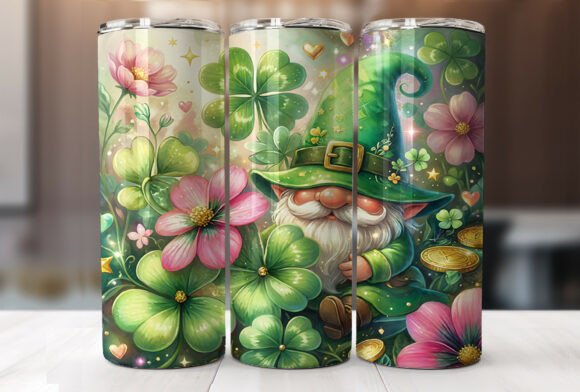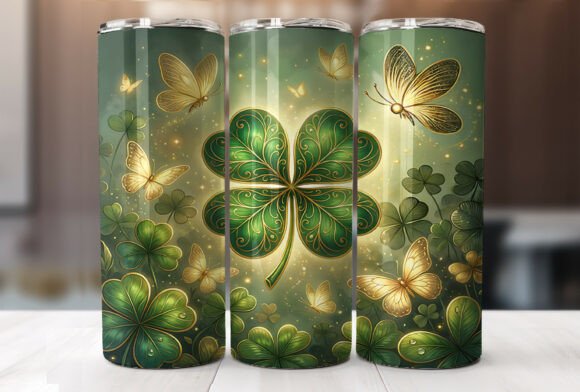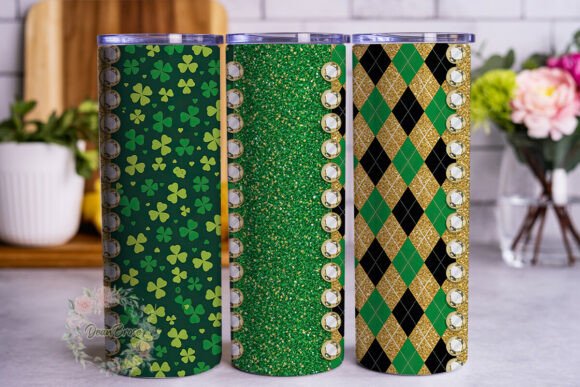
Buffalo Plaid Shamrock Clover Tumbler Design Review
As a designer who spends more time at the hoop than away from it, I approach every new machine embroidery design with a critical eye. It is not enough for a graphic to look good on a screen; it must translate flawlessly into thread, withstand washing, and elevate the perceived value of the handmade product. Recently, I evaluated the Buffalo Plaid Shamrock Clover Tumbler file to determine its viability for real-world projects. While the product listing categorizes this under Tumbler Wraps and Graphics, my focus was strictly on how this visual asset performs when adapted for textile applications, specifically for custom apparel and boutique merchandise.
First Impressions: Mood and Visual Personality
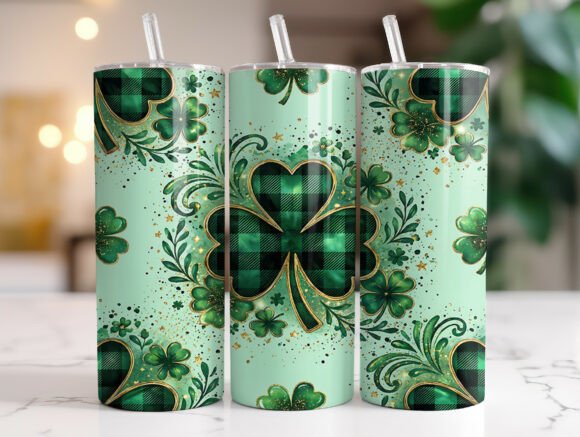
The first thing that strikes you about the Buffalo Plaid Shamrock Clover Tumbler is its distinct seasonal crossover appeal. It merges the rugged, cozy aesthetic of buffalo plaid with the fresh, lucky symbolism of the shamrock. This creates a mood that is perfect for early spring transitions, particularly around St. Patrick's Day, but with a twist that feels less cliché than standard green hats and pots of gold. The layout is bold, utilizing high-contrast elements that suggest it would pop beautifully against neutral fabric backgrounds.
Visually, the design relies heavily on the interplay between the plaid pattern and the clover shape. For an embroiderer, this immediately raises questions about stitch density and color management. A buffalo plaid pattern requires precise alignment to maintain its checkered integrity. If this graphic were converted into an embroidery file without careful digitizing, the risk of the plaid looking muddy or misaligned is high. However, the strong geometric lines suggest that with the right satin stitch borders and appropriate fill stitch directions, this could result in a very crisp, professional-looking finish.
Real-World Application: From Screen to Stitch
To truly test the potential of this design, I imagined a specific scenario: preparing a limited run of sweatshirt embroidery for a local boutique's March collection. The goal was to create a personalized gift option that customers could buy off-the-rack or customize with initials. The Buffalo Plaid Shamrock Clover Tumbler graphic, with its 9.3″ x 8.2″ dimensions, offers a substantial coverage area. On a adult-sized hoodie, this would serve as a striking chest piece or a full-back statement.
In this context, the design shines as a tote bag design as well. Canvas totes provide a stable base that can handle the weight of dense stitching required for a plaid pattern. The contrast of black and red (or green) plaid against natural canvas creates an immediate visual hook. For Etsy sellers looking to expand their design assets, this motif fits perfectly into the "farmhouse chic" or "rustic holiday" niches. It moves beyond simple holiday embroidery into year-round territory if the color palette is adjusted—perhaps using navy and grey plaid for a more subdued, everyday look.
However, since the source file is a high-resolution PNG intended for printing, using it for embroidery requires a conversion step. You cannot simply load a PNG into your machine. This design would need to be professionally digitized into a proper digital embroidery file format (like PES, DST, or XXX). During this process, attention must be paid to the running stitch details that might define the edges of the clover. If those lines are too fine, they may break or get lost in the fabric texture.
Navigating Fabric Challenges and Technical Constraints
While the aesthetic is strong, practical execution demands caution. The buffalo plaid element is the most technically demanding part of the Buffalo Plaid Shamrock Clover Tumbler. When working on stretchy fabrics like jersey knits for baby embroidery projects, a large, dense fill area can cause puckering. To mitigate this, a robust stabilizer is non-negotiable. I would recommend a cut-away stabilizer for any garment that will undergo frequent washing to ensure the design retains its shape over time.
There are also considerations regarding hoop size. At nearly 9 inches wide, this design exceeds the capacity of standard 4x4 or 5x7 hoops found on many home machines. You would need a large hoop capability or consider splitting the design, though splitting a continuous plaid pattern is notoriously difficult and often results in visible seam lines. For smaller applications, such as an embroidered patch or a pocket accent on a cap, the design would need to be scaled down significantly. Here, the detail level becomes a concern; the small squares of the plaid might merge together if the scale is reduced too far, losing the definition of the pattern.
Furthermore, thread colors play a pivotal role. The success of a plaid design lives or dies by the contrast between the thread shades. If the tones are too similar, the pattern disappears. I advise testing the design on both light and dark fabric texture backgrounds before committing to a production run. A black fabric might require a border or a backing layer to prevent the dark threads of the plaid from vanishing into the material.
Commercial Viability and Brand Consistency
For craft business owners, the Buffalo Plaid Shamrock Clover Tumbler represents a versatile asset. Its unique blend of patterns makes it stand out in a saturated market of generic holiday designs. When used correctly, it enhances brand consistency for shops that specialize in rustic or cozy aesthetics. The visual appeal translates directly to product value; a well-executed version of this design on a high-quality hoodie commands a higher price point than a simple text-based embroidery.
Customer trust is built on the quality of the finished product. If the plaid lines are wavy or the clover edges are frayed due to poor digitizing, it reflects poorly on the maker. Therefore, if you are purchasing this as a graphic to have digitized, ensure your digitizer understands the complexity of matching plaids. For those using it as a printable mockup to visualize products before stitching, the 300 DPI resolution provided in the download is excellent for creating marketing materials and social media previews.
Final Designer Notes and Recommendations
Before integrating the Buffalo Plaid Shamrock Clover Tumbler into your workflow, there are several practical steps to take. First, always test the design on scrap fabric that matches your final project material. This allows you to check for puckering and verify that your thread color choices provide sufficient contrast. Second, confirm the licensing terms. Since the original description notes this is a digital file for printing, ensure you have the rights to use the imagery for commercial embroidery projects if you intend to sell the physical goods.
Additionally, inspect the small details. In a plaid pattern, the corners where lines intersect are critical. Ensure your digitizing settings prioritize these junctions to maintain clarity. Finally, consider the end-user. Will this item be washed frequently? If so, reinforce the edges with a tight satin border to prevent fraying. By treating this graphic with the technical respect it requires, you can transform a simple download into a standout piece of commercial embroidery that delights customers and strengthens your reputation as a skilled maker.